Get Spring Lawn Aeration
Spring lawn aeration services help property owners improve grass health, reduce soil compaction, and prepare lawns for better nutrient absorption by connecting them with experienced local contractors.
Spring is an ideal time to evaluate the health of your lawn and consider aeration as a practical maintenance step. Property owners in the area often explore this service to improve soil quality, enhance grass growth, and promote a more resilient landscape. By addressing compacted soil and allowing air, water, and nutrients to reach grassroots more effectively, aeration can contribute to a lush, healthy yard throughout the season.
If you are planning landscaping improvements or simply want to maintain a vibrant outdoor space, comparing local contractors who specialize in lawn aeration can help identify the best options for your property. Many service providers offer tailored solutions to meet the specific needs of local lawns, making it easier to find a trusted professional to handle the work. Keep reading to learn more about how local experts can support your lawn care goals.
- Spring Lawn Aeration - homeowners may need this service to improve soil health and promote healthy grass growth after winter.
- Spring Lawn Aeration - property managers often seek aeration services to prepare large lawns for the upcoming growing season.
- Spring Lawn Aeration - landscapers may recommend aeration to address compacted soil and enhance nutrient uptake in lawns.
- Spring Lawn Aeration - new lawn installations might require aeration to establish strong root systems during the spring.
- Spring Lawn Aeration - homeowners with patchy or thinning grass can benefit from aeration to restore lawn density and vitality.
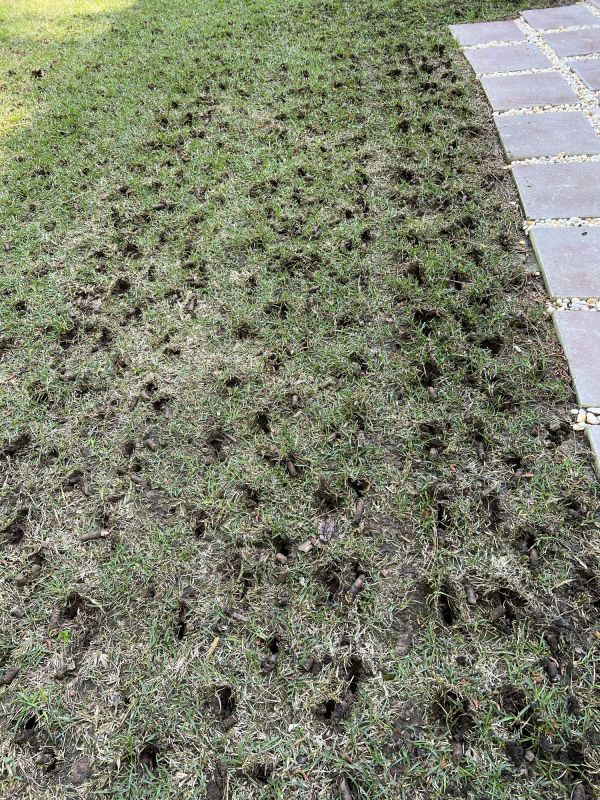
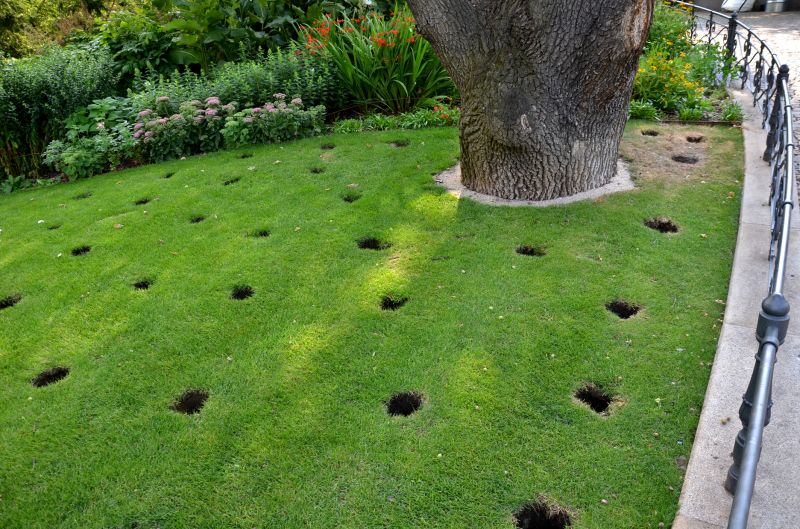
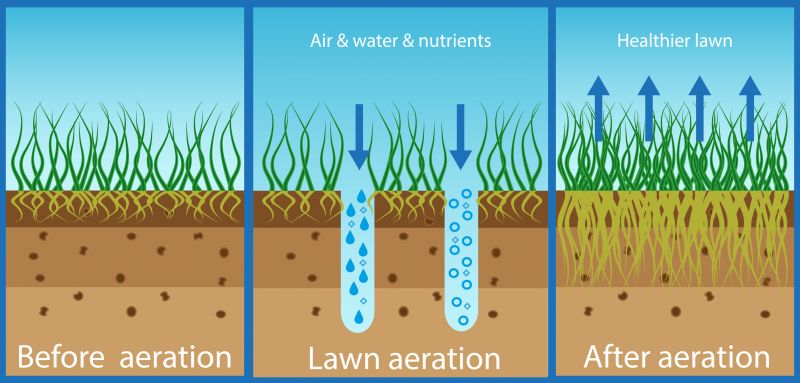
Spring lawn aeration services involve creating small holes in the soil to improve its overall health and vitality. This process typically uses specialized equipment to remove plugs of soil from the turf, allowing air, water, and nutrients to reach the grassroots more effectively. Aeration helps break up compacted soil, which can become dense due to foot traffic, heavy rain, or clay-rich ground. By enhancing soil permeability, aeration promotes stronger root growth and a more resilient, lush lawn throughout the growing season.
One of the primary problems that spring aeration addresses is soil compaction. When soil becomes tightly packed, it restricts the movement of essential elements like oxygen and water to the roots. This can lead to a range of issues, including patchy growth, thinning grass, and increased susceptibility to weeds and pests. Aeration also helps alleviate thatch buildup-a layer of dead grass and roots that can hinder water and nutrient absorption-further contributing to a healthier, more vigorous lawn.
Properties that typically benefit from spring aeration include residential yards, community parks, and landscape areas with high foot traffic. Lawns that have experienced heavy use or have clay-heavy soil are especially good candidates, as these conditions often lead to compacted soil and poor drainage. Even lawns that look healthy might benefit from aeration if they show signs of thinning or water pooling after rain. Service providers can assess the specific needs of a property and recommend the appropriate aeration techniques to restore lawn health.
Homeowners who notice their grass is struggling to grow, or who see water runoff and pooling after storms, may find spring aeration to be a valuable step in lawn care. It is also useful for preparing the yard for overseeding or fertilization, as it creates better conditions for seed germination and nutrient absorption. By working with local contractors who specialize in lawn aeration, property owners can help ensure their outdoor spaces remain green, healthy, and resilient throughout the season.
The overview below groups typical Spring Lawn Aeration projects into broad ranges so you can see how smaller, mid-sized, and larger jobs often compare in your area.
In many markets, a large share of routine jobs stays in the lower and middle ranges, while only a smaller percentage of projects moves into the highest bands when the work is more complex or site conditions are harder than average.
Smaller Lawn Areas - For routine lawn aeration on small to medium-sized yards, local contractors typically charge between $250 and $600. Many projects in this range are straightforward and fall within this typical cost band. Larger or more complex properties can push costs higher, but most jobs remain in this middle range.
Standard Residential Services - The average cost for standard lawn aeration on typical residential properties ranges from $300 to $700. This range covers most common projects and is where many homeowners find the service affordable. Larger properties or additional services may increase the overall cost beyond this range.
Large or Multiple-Session Projects - For bigger lawns or multiple sessions, costs can range from $700 to $1,200. These projects often involve extensive work or additional treatments, which can push the price higher. Nonetheless, many jobs in this category stay within this range depending on size and complexity.
Complex or Commercial Jobs - Larger, more complex projects such as commercial properties or heavily landscaped areas can exceed $1,500 and reach $5,000+ in some cases. These projects are less common and tend to involve specialized equipment or additional services, leading to higher costs.
Actual totals will depend on details like access to the work area, the scope of the project, and the materials selected, so use these as general starting points rather than exact figures.
Soil Testing Services - soil testing involves assessing soil health and composition, which is essential for planning effective lawn aeration and ensuring optimal grass growth.
Landscape Drainage Projects - drainage improvements often require soil manipulation and planning similar to aeration to prevent water pooling and promote healthy turf.
Garden Bed Preparation - preparing garden beds involves aerating and loosening soil to support plant health, paralleling the skills used in lawn aeration.
Topsoil Installation - spreading and leveling topsoil requires soil assessment and preparation techniques akin to those used in lawn aeration services.
Tree and Shrub Planting - planting trees and shrubs involves soil disturbance and aeration to establish healthy root systems comparable to lawn care practices.
Soil Amendment Application - applying amendments like compost or fertilizer often requires soil aeration to improve absorption and effectiveness, similar to lawn aeration processes.
When comparing service providers for Spring Lawn Aeration, it’s important to consider their experience with similar projects. A contractor with a proven track record in aerating lawns comparable in size and type can often deliver more reliable results. Homeowners should inquire about how long the contractor has been performing these services and whether they have worked on properties with similar grass varieties or soil conditions. This background can provide insight into their familiarity with the specific challenges that might arise and their ability to handle the job effectively.
Clear written expectations are essential for ensuring that both the homeowner and the contractor are aligned on the scope of work. When evaluating local contractors, it’s helpful to review detailed descriptions of the services they offer, including what the aeration will involve and any additional recommendations for lawn care. Having a transparent understanding of what to expect helps prevent misunderstandings and ensures that the project’s goals are well-defined from the outset. Homeowners should look for providers who are willing to provide this information openly and in writing.
Reputable references and good communication are key indicators of a reliable service provider. Asking for references from previous clients who had similar work done can offer valuable insights into the contractor’s professionalism, quality of work, and ability to meet expectations. Additionally, effective communication-such as responsiveness to questions and clarity in explanations-can make the process smoother. It’s important to remember that these local service providers handle the work themselves or through their teams, and this direct engagement often correlates with better service quality. This site introduces homeowners to local options, helping them compare and connect with trusted contractors suited for their lawn aeration needs.
Property owners use Spring Lawn Aeration services for practical projects around their homes and businesses. This guide focuses on everyday jobs and straightforward project options.
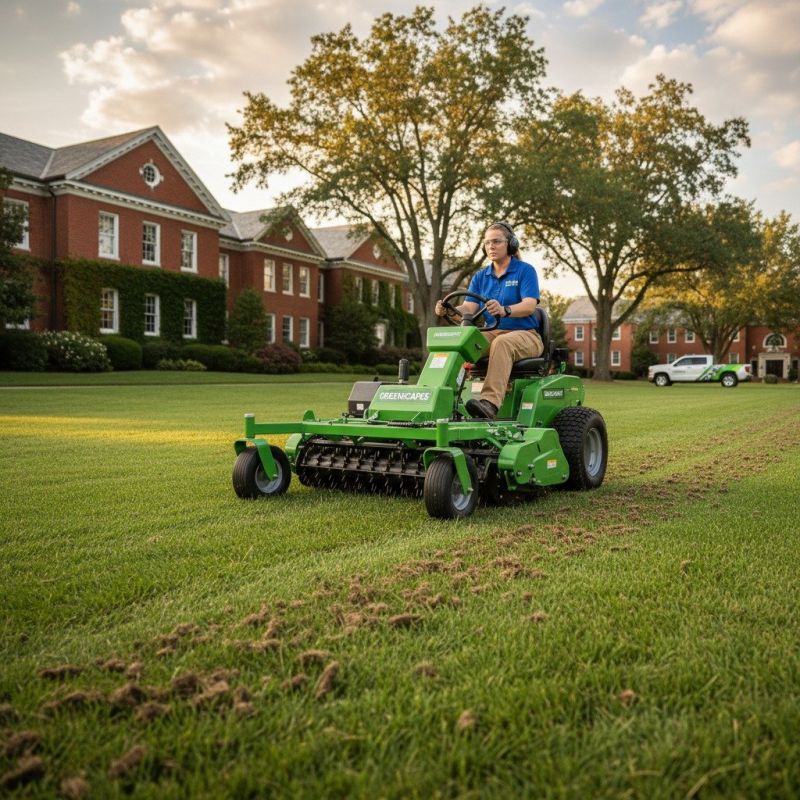
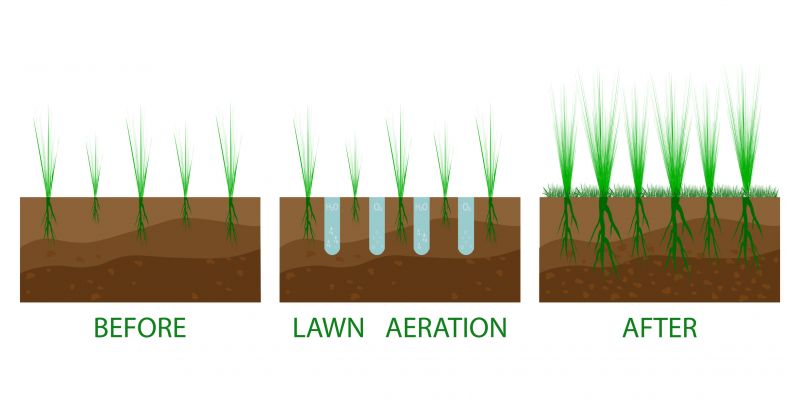
Spring lawn aeration services are often sought after by property owners dealing with compacted soil or uneven grass growth. Over time, foot traffic, weather conditions, and regular use can cause the soil to become dense, making it difficult for roots to access air, water, and nutrients. Local contractors specializing in lawn care can help improve soil health through aeration, promoting a healthier, more resilient lawn that can better withstand seasonal changes and general wear and tear.
Additionally, property owners may look for aeration services as part of their overall lawn maintenance routine or in preparation for the growing season. Aeration can help address issues like standing water, patchy areas, or thin grass, ensuring the yard looks lush and vibrant. Service providers in the area can assess the specific needs of a lawn and recommend appropriate aeration techniques to support long-term turf health and appearance.
What is lawn aeration? Lawn aeration is a process that involves creating small holes in the soil to improve air, water, and nutrient penetration, promoting healthier grass growth.
Why should I consider lawn aeration? Aeration can help reduce soil compaction, improve drainage, and enhance the overall health and appearance of a lawn.
How do local contractors perform lawn aeration? Service providers typically use specialized equipment to perforate the soil, ensuring minimal disruption while maximizing benefits for your lawn.
Is lawn aeration suitable for all types of grass? Most grass types benefit from aeration, especially those prone to soil compaction or heavy foot traffic, but a local pro can advise based on your lawn's specific needs.
How often should lawn aeration be done? The frequency varies depending on soil condition and lawn usage; many lawns benefit from aeration once or twice a year, which a local contractor can help determine.
Improve Lawn Health - Property owners can use aeration services to reduce soil compaction and promote healthier grass growth.
Prepare for Seasonal Changes - Lawn aeration can be part of a seasonal maintenance plan to keep grass resilient through weather shifts.
Enhance Water Absorption - Aerating a lawn helps water penetrate deeper into the soil, reducing runoff and promoting even watering.
Reduce Thatch Buildup - This service can help break up excess thatch, allowing nutrients and air to reach the grassroots more effectively.
If you are thinking about Spring Lawn Aeration for a property, this guide is meant to help you understand the work, the typical project types, and how different options might fit your plans.
When you are ready, you can use the quote form on this page to share a few details about your project. From there, local pros can review the basics and respond with options that match what you have in mind.